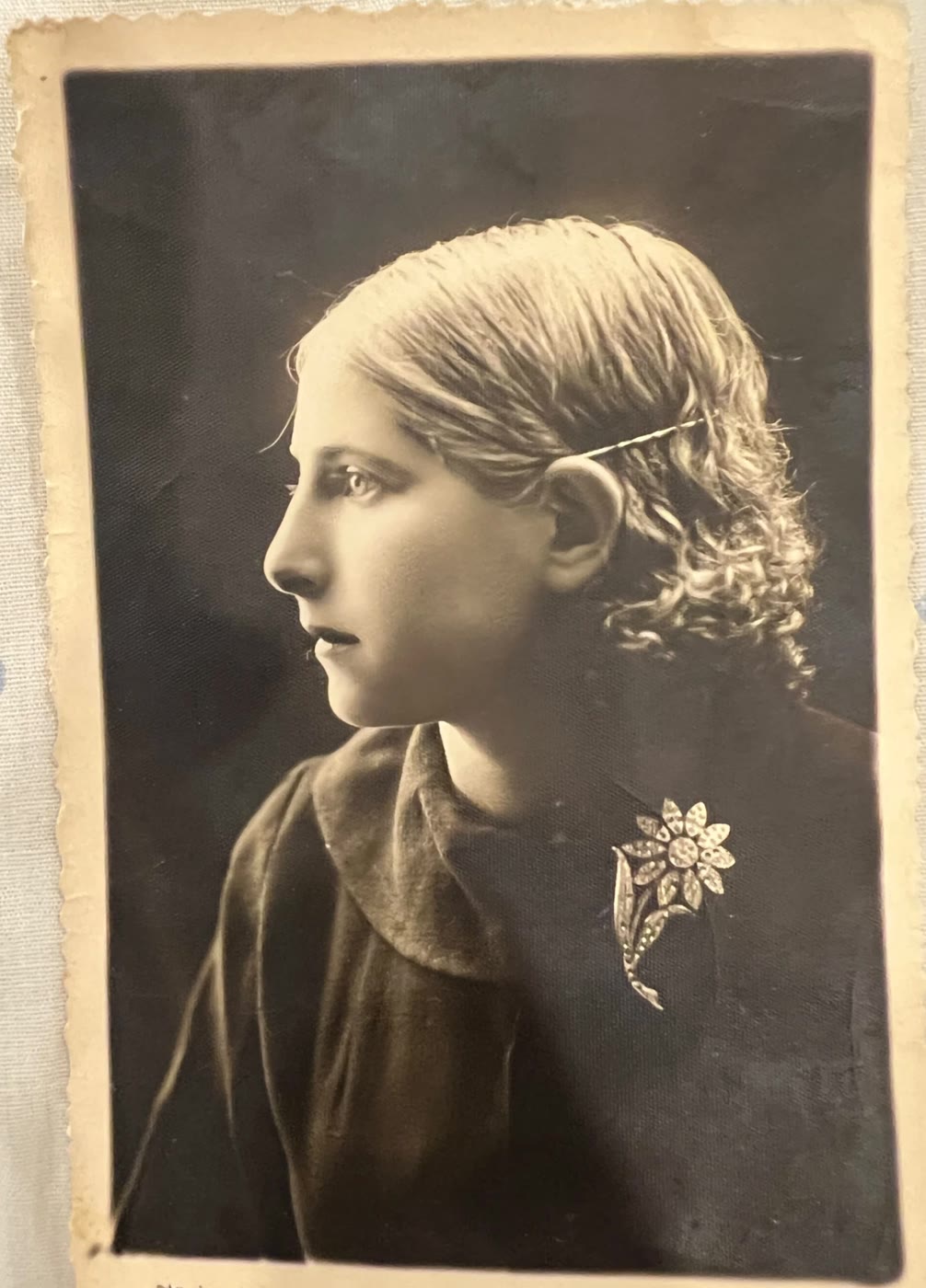
Holocaust testimony
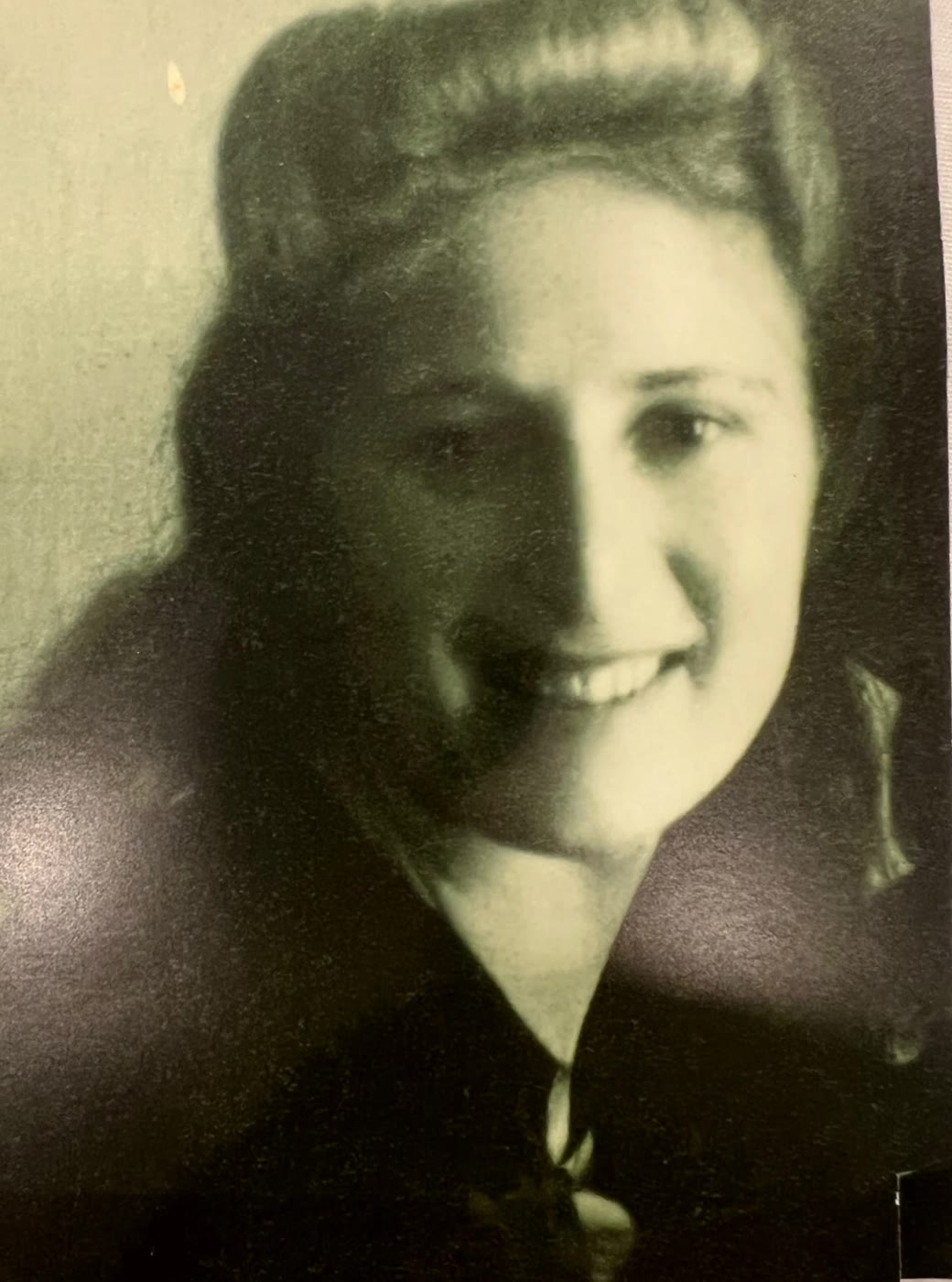
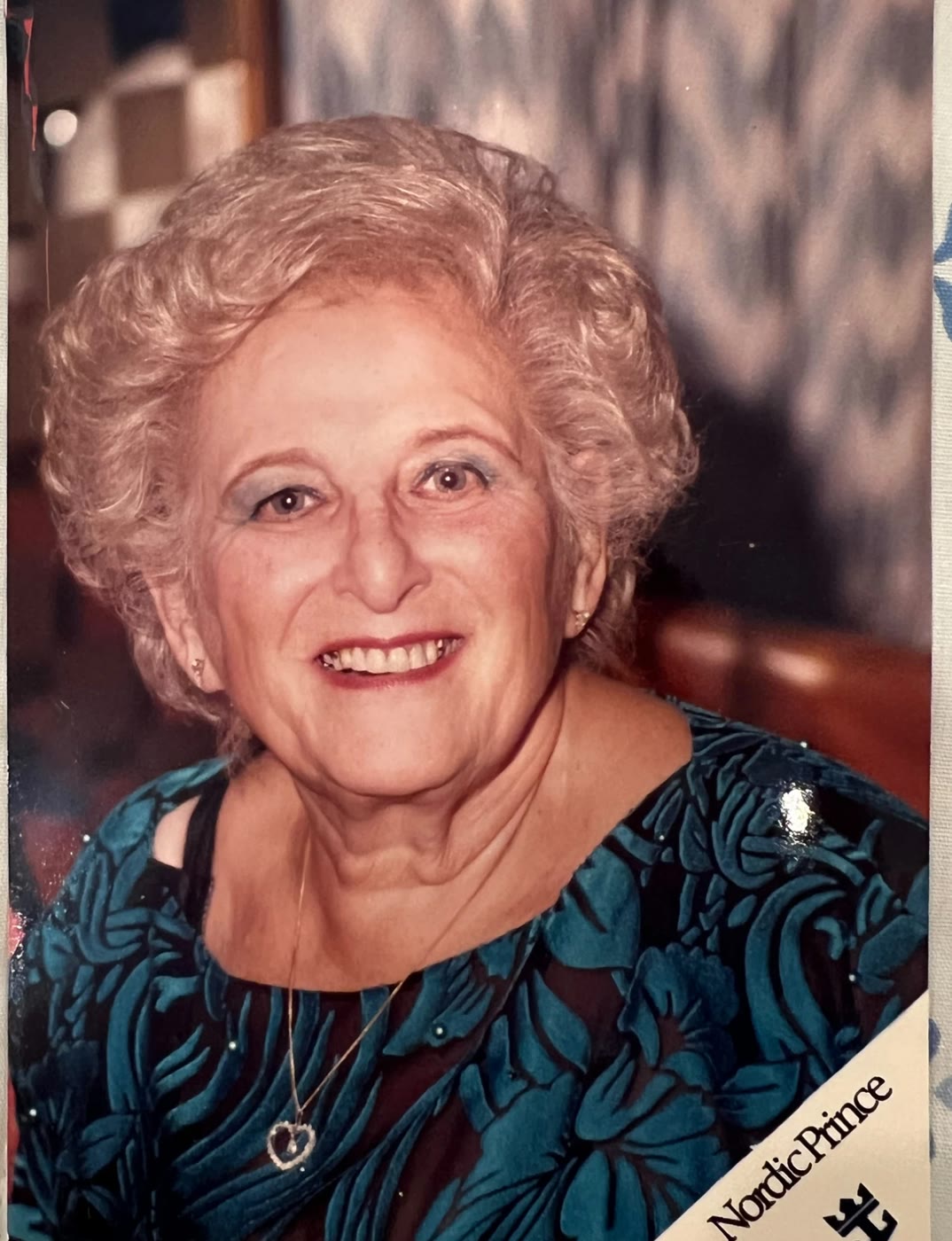
Ida Haberman
June 15, 1923 – May 15, 2015 · Born Ida Tillis in Głębokie, Poland
In February 1997, Ida Haberman sat down in her living room and told the story of her life for the Survivors of the Shoah Visual History Foundation: a childhood in a small town between two rivers, the ghetto, two and a half years hidden on a farm, the family she lost, and the family she built. This page keeps her testimony and lets you follow it in her own words.
Her life
Each moment links to the place in the recording where she tells it.
The testimony
Nearly two hours, recorded in one afternoon. Tap any passage of the transcript to hear it spoken.
Places
From a town on the Polish–Soviet border to Los Angeles. Tap a place to see it on the map.
Historical context
What happened to the Jews of Głębokie, in brief.
A town between two rivers
Głębokie (in Belarusian, Hlybokaye; in Yiddish, Glubok) lay in the Wilno region of interwar Poland, close to the Soviet border. It is in Belarus today. Jews had lived there since the eighteenth century. In the 1921 census they numbered 2,844, about sixty percent of the town, and by 1939 the town had grown to roughly nine thousand people, still with a Jewish majority. There were six synagogues, a Hebrew Tarbut school, and the Zionist youth movements Ida remembers, among them Hashomer Hatzair, whose summer camps in the woods she describes at the start of her testimony.
Two occupations
In September 1939, under the pact between Germany and the Soviet Union, eastern Poland was annexed by the Soviets. Jewish community institutions were closed and private businesses, like the textile shops where Ida worked, were taken over. Her father, a cattle dealer, could no longer trade openly.
Germany invaded the Soviet Union on June 22, 1941. After days of bombing, German troops entered Głębokie on July 2, 1941. About five thousand Jews were in the town, many of them refugees from central Poland. In the first days, Jews accused of communism were executed, among them, as Ida recalls, doctors, pharmacists and other prominent families. Forced labor began at once.
The ghetto
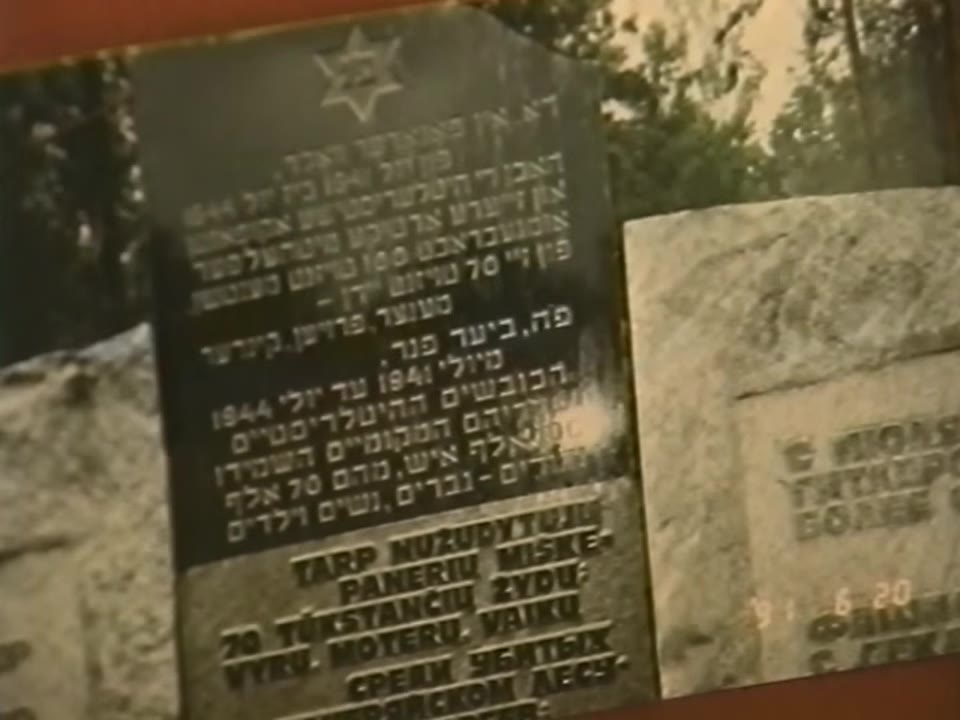
A ghetto was ordered on October 22, 1941. Jews from the surrounding towns were driven into it, bringing its population to around six thousand in a few crowded streets, with several families to a room, exactly as Ida describes. On March 25, 1942, about 110 people were taken out and shot. On June 19, 1942, some 2,500 people judged "unfit for work" were murdered in the Borek forest about a kilometer from the town. Ida, working in the German army kitchen, heard the shooting from the ghetto.
In the early autumn of 1942 her father arranged for her to leave. Hiding a Jew in occupied Poland was punishable by death for the whole household. The Iwanowski family, farmers her father had known before the war, kept her for two and a half years.
August 1943
By 1943 Soviet partisan units were active in the forests around Głębokie, and the Germans decided to destroy the ghetto. On August 20, 1943 (some sources give August 17), the Judenrat was ordered to assemble the Jews for "deportation." An armed underground resisted. The Germans set the ghetto on fire street by street; the remaining residents, several thousand people, were shot or burned. Ida's older brother died in a cellar that was gassed. Perhaps a hundred people broke out to the forests, among them her mother, shot in the leg as she ran, and her sister Gita. They lived with the partisans for the next year. In all, only about a hundred Jews of Głębokie survived the war. The community was never re-established.
Liberation and after
The Red Army reached Głębokie on July 3, 1944. The retreating Germans had burned the town. Ida came back from the farm to find the streets gone and, within days, her mother and sister alive. In 1945 and 1946, Polish citizens were allowed to leave the Soviet Union for the new Poland, and Ida, her mother and sister went to Legnica in Lower Silesia, where her future husband Paul had settled.
After the Kielce pogrom of July 1946, most surviving Jews left Poland. The Habermans crossed into the American zone of Germany and lived in the Boelcke Kaserne displaced persons camp in Ulm, where their first daughter was born in 1947. More than 250,000 Jewish displaced persons passed through such camps. Under the Displaced Persons Act of 1948, over 80,000 of them came to the United States by 1952. The Habermans arrived in New York in 1949.
Sources
- Memory of the Murdered Jews in Glubokoye, Foundation Memorial to the Murdered Jews of Europe
- Glubokoye, Encyclopaedia Judaica, via the Jewish Virtual Library
- The Destruction of Glubokie, memorial book (1956), translated at JewishGen
- Displaced Persons, United States Holocaust Memorial Museum, Holocaust Encyclopedia
Sources differ on a few dates by days or weeks; the dates above follow the survivors' memorial book where they disagree.
Remembrance
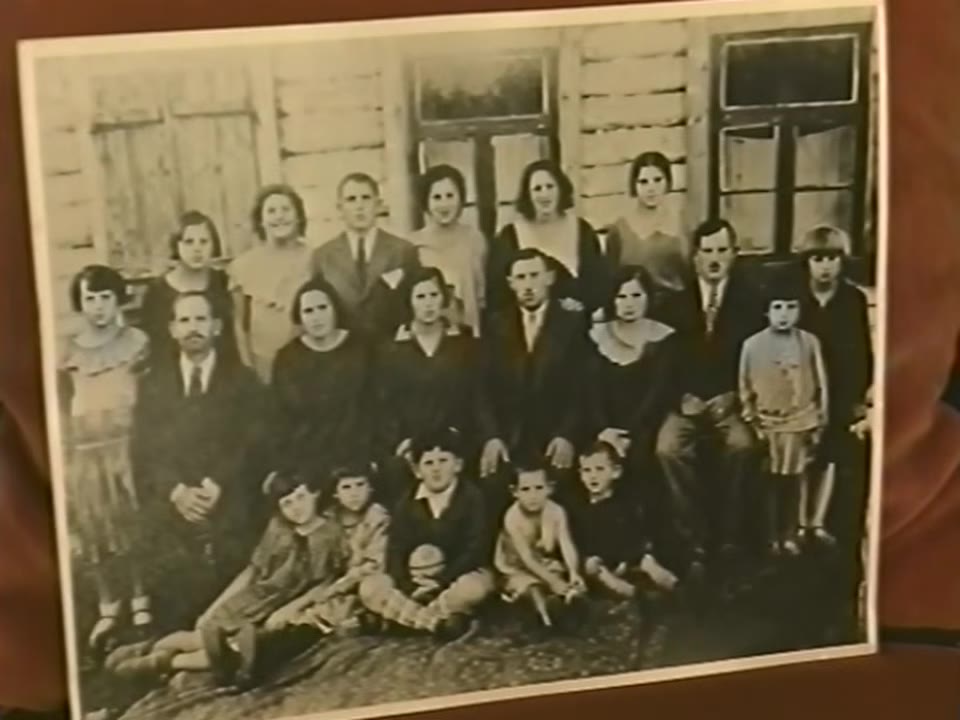
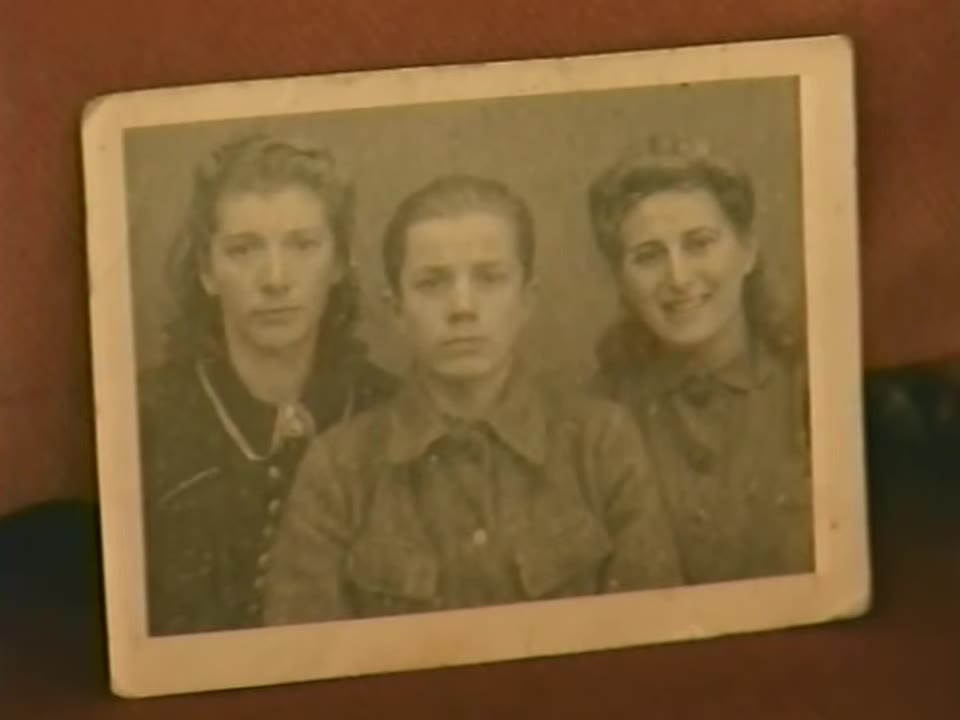
Her family in Głębokie
- Velvel Tillis
- her father, a cattle dealer. Killed in the ghetto, 1942 or 1943.
- Rivka Tillis, née Topel
- her mother. Survived in the forest with the partisans.
- Pinchu Tillis
- her older brother, born 1921. Killed when the ghetto was destroyed, August 1943.
- Gita Tillis, later Gloria
- her younger sister. Survived in the forest; later lived in New York.
- Abba Tillis
- her younger brother, born about 1929. Killed in the ghetto.
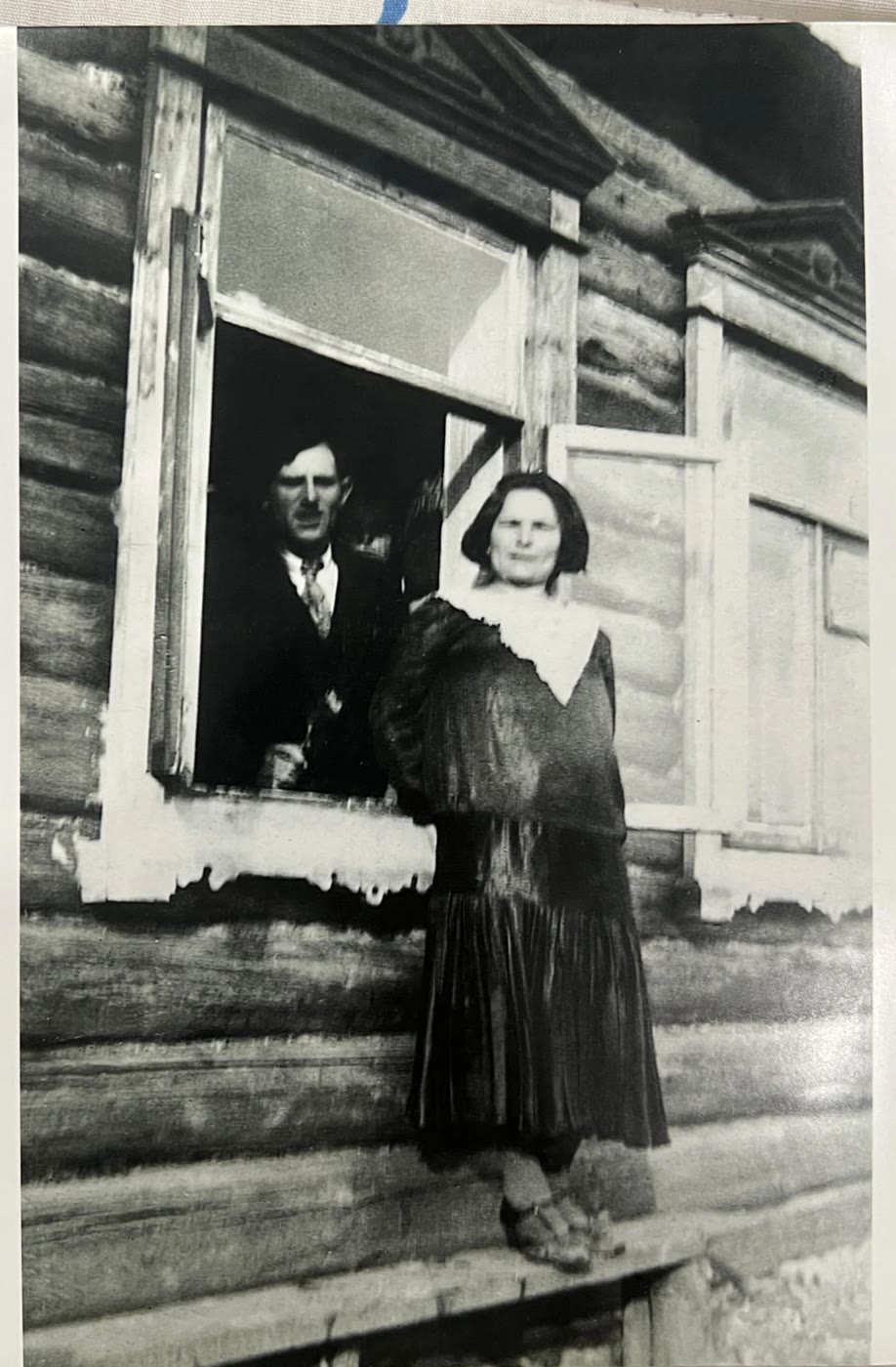
The family who hid her
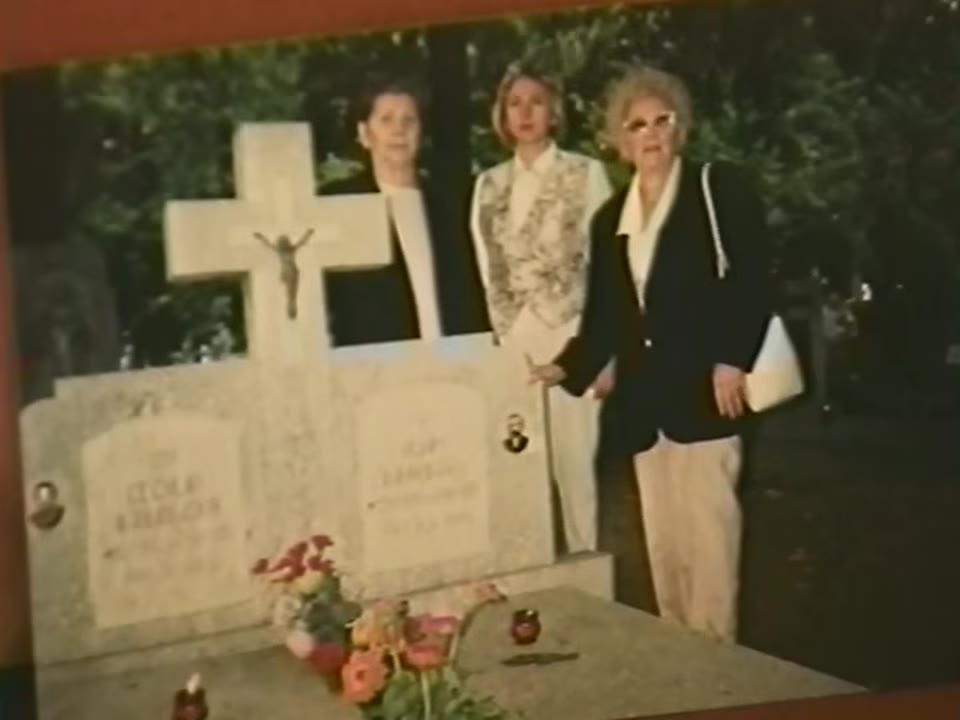
Adam and Cecylia Iwanowski, their daughter Zosia (Zofia), a young son, and a grandmother, on a farm about sixty kilometers from Głębokie, from the autumn of 1942 until the summer of 1944. Ida slept in one bed with Zosia. In 1993 she returned to Poland to stand at Adam and Cecylia's graves in Elbląg with Zofia and her daughter Teresa.
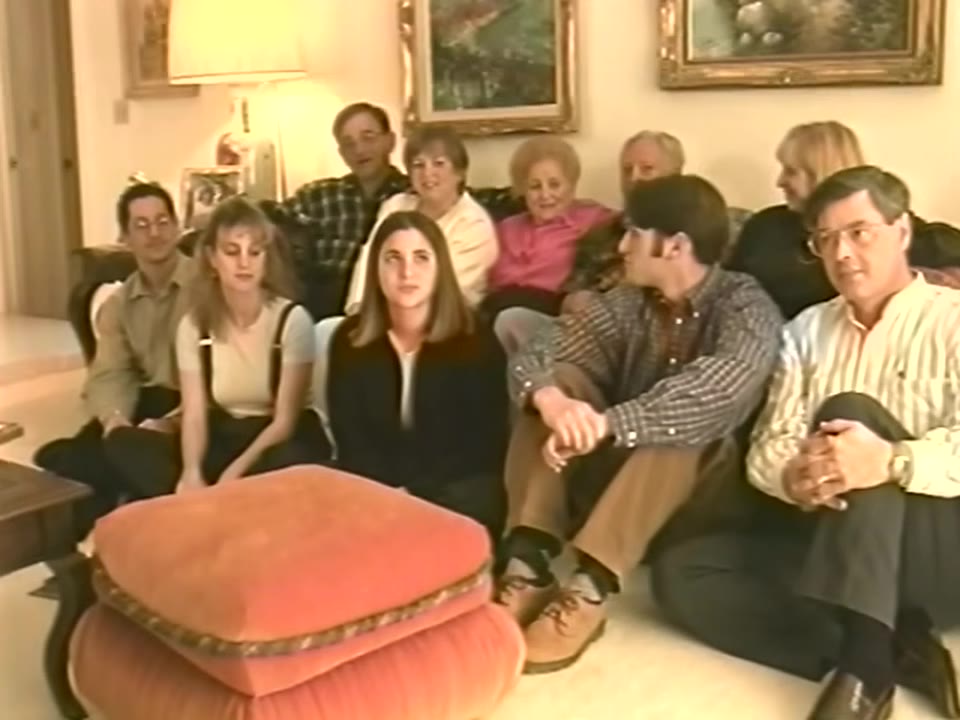
"I think it's a wonderful legacy that we leave our children and our grandchildren."
Paul Haberman, at the close of the recording